
Selecting the Right Mulch for Your Beds
Mulch is a versatile landscape addition that serves both aesthetic and functional purposes in your garden beds. Choosing the right material depends on your specific plant selections, soil conditions, and the visual style of your property. Organic mulches, such as shredded hardwood, pine bark, and cedar, are highly popular because they decompose over time, adding valuable organic nutrients back into the soil.
Shredded hardwood mulch is excellent for sloped areas because the individual wood fibers knit together, preventing the material from washing away during heavy downpours. Cedar mulch is prized for its longevity, pleasant scent, and natural pest-deterring properties. Pine bark nuggets offer a clean, dark appearance that provides a beautiful contrast to vibrant green foliage.
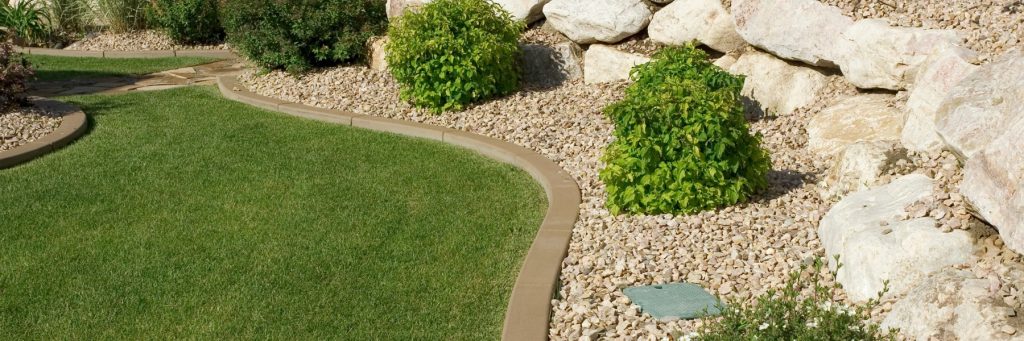
Inorganic options, like river rock or decomposed granite, provide a permanent, modern look but do not contribute nutrients to the soil. These heavier materials are best suited for dry garden beds or areas where wind and water runoff make organic options impractical. Selecting the perfect material ensures your garden beds remain healthy and visually striking.
Proper Application Techniques to Avoid Rot
While mulching offers numerous benefits, improper application can actually harm your plants and trees. One of the most common mistakes is piling mulch directly against the trunks of trees and shrubs, a practice known as volcano mulching. This trapped moisture against the bark can rot the trunk, create a pathway for wood-boring insects, and suffocate the roots.
The ideal application depth for organic wood mulch is between two to three inches across the entire planting bed. This depth is thick enough to suppress weeds and retain moisture, yet thin enough to allow air and water to penetrate down to the soil. Keep the material pulled back a few inches from the base of all plants to allow the root flare to breathe.
Spreading the material evenly ensures consistent moisture retention and temperature regulation across the entire root zone. Using specialized tools and experienced hands ensures a neat, professional finish with clean edges along your lawn boundaries. Professional Mulching services guarantee that the material is applied correctly for the long-term health of your plants.
Soil Temperature and Moisture Regulation
One of the primary benefits of a thick layer of mulch is its ability to insulate the soil against extreme temperature swings. In the heat of summer, mulch acts as a natural barrier, keeping soil temperatures significantly cooler than the surrounding air. This cooling effect reduces heat stress on sensitive plant roots, allowing them to continue absorbing water and nutrients.
During the cold winter months, mulch retains residual heat in the ground, protecting delicate root systems from hard freezes. This insulation is critical for newly planted shrubs and perennials that have not yet established deep, mature root networks. Keeping root temperatures stable year-round results in stronger, more resilient plant growth.
In addition to temperature control, mulch drastically reduces water evaporation from the soil surface. This moisture conservation means you can water your plants less frequently while still keeping them hydrated and healthy during dry spells. Combining proper mulching with an efficient, professional Landscaping design minimizes water waste and lowers utility bills.
Replenishing Mulch for Continuous Benefits
Because organic mulches decompose naturally over time, they must be replenished periodically to maintain their protective benefits. Most properties benefit from a fresh application once or twice a year, typically in the spring and autumn. This schedule ensures your beds are fully protected before the arrival of extreme summer heat or winter cold.
Before applying a new layer, it is important to cultivate or break up any old compacted mulch to prevent a water-resistant crust from forming. Removing invasive weeds from the beds prior to application ensures they do not get covered and continue growing through the fresh layer. This preparation work maximizes the effectiveness and clean appearance of the new material.
Partnering with professional landscape maintenance teams takes the hard work out of keeping your garden beds looking their best. Professional crews handle everything from weed clearing and edge trenching to precise material delivery and application. Regular professional care keeps your landscape healthy, vibrant, and beautiful through every season.